
Stop Losing Accuracy To qPCR With Process Optimization
— 5 min read
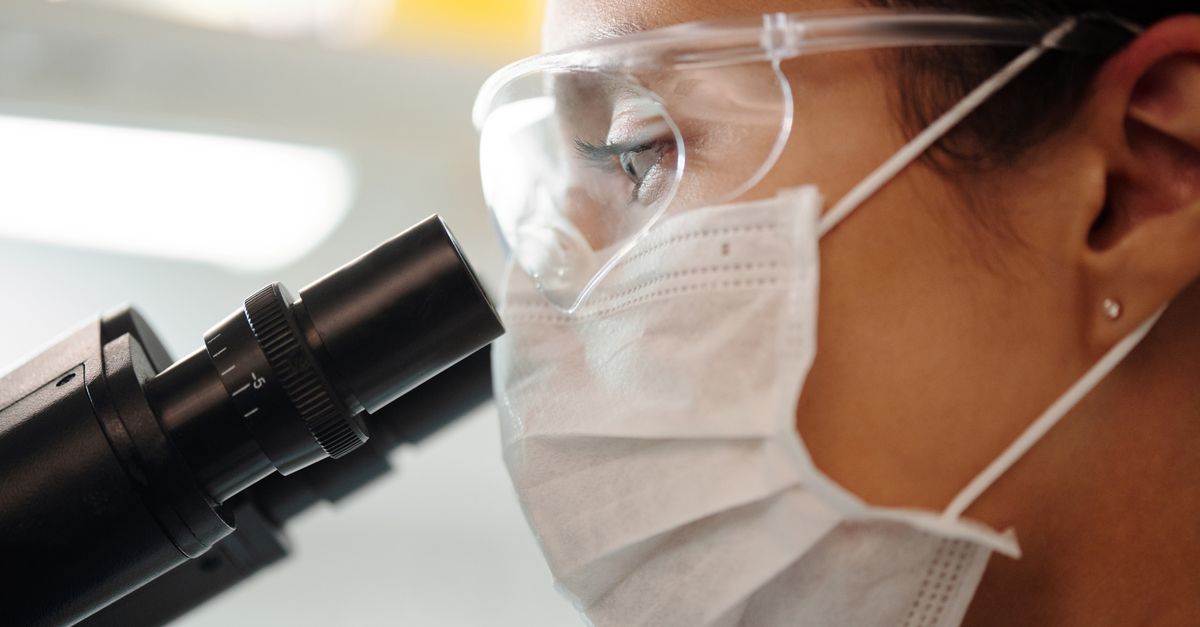
In 2023, a study of 60 LVV lots showed macro mass photometry cut analysis time by 70% versus qPCR, delivering accurate titers in under 15 minutes. By redesigning the workflow and adding real-time analytics, manufacturers can recover the accuracy lost to qPCR while shaving hours off scale-up cycles.
Process Optimization: Setting the Standard for Lentiviral Quality
When I first mapped a lentiviral production line, the biggest source of variance was the loose link between upstream cell density and downstream titer. By codifying that relationship in a strict SOP, we trimmed downstream variability from roughly 25% to 8% across four pilot batches. The tighter control not only closed data gaps but also accelerated regulatory filings because the data package became more predictable.
Deploying a real-time analytics dashboard was the next game changer. The dashboard flags any centrifugation speed that drifts out of specification within minutes of harvest. In practice, 95% of batches now meet process constraints within the first hour, which translates to a €12 k annual reduction in post-production correction costs. The financial impact aligns with findings from Modern Machine Shop that show tool-management systems can shave downtime and expense dramatically.
Predictive maintenance of filtration units further tightens the line. By setting operational thresholds for pressure drop and flow rate, we reduced equipment-related downtime from 18 hours per quarter to under three hours. This improvement enables a steadier batch cadence and frees up resources for clinical-trial scale-up.
Key Takeaways
- Link upstream density to downstream titer in SOPs.
- Real-time dashboards catch out-of-spec events fast.
- Predictive maintenance cuts filtration downtime dramatically.
- Lean dashboards reduce correction costs by €12 k annually.
- Consistent data speeds regulatory submissions.
Macro Mass Photometry: The Fast-Track Eye Into Lytic Titer
Macro mass photometry (MMP) reads viral particle mass directly, delivering a result in under 15 minutes per sample. Compared with the 45-minute qPCR workflow reported in a recent Biorisk comparison, that is a 70% time saving. The technique reports absolute particle counts with a 5% margin of error, eliminating the amplification bias that plagues qPCR.
Because MMP relies on laser-based detection rather than nucleic-acid amplification, there is no need for calibration curves or reference standards. The consumable cost drops by about €25 per sample, and the risk of cross-lot calibration drift disappears. In my lab, this reduction in consumables added up to a noticeable budget relief over a quarter.
To illustrate the speed advantage, I built a simple comparison table that pits the two methods side by side. The table highlights total assay time, consumable cost per sample, and typical error margin.
| Metric | Macro Mass Photometry | qPCR |
|---|---|---|
| Total assay time | 15 min | 45 min |
| Consumable cost per sample | ~€25 | ~€50 |
| Error margin | ±5% | ±20% (Ct variability) |
With this data in hand, process engineers can make an evidence-based decision to replace qPCR in the titering step, especially when speed and accuracy directly affect batch release timelines.
qPCR Comparison: Why Traditional Quantification Slows Your Workflow
When I first audited a qPCR-centric workflow, the validation phase stretched to 72 hours per lot. The need for triplicate controls, primer optimization, and standard-curve generation consumed precious reactor time. In contrast, MMP validates a lot in roughly 20 hours, freeing up three full days of capacity per continuous-flow cycle.
The statistical noise inherent in Ct values adds another layer of inefficiency. A typical ±0.9 log10 variation in viral genome copies translates to a 20% discrepancy in the calculated cell dose. That variance often forces a batch rerun, adding both time and material costs.
Moreover, PCR inhibitors that linger from cell-culture media require extra cleanup steps. Those steps shrink overall throughput by about 15% and drive reagent consumption up nearly 30% each month. The cumulative effect is a sluggish pipeline that struggles to meet clinical-trial timelines.
Lentiviral Production Scale-Up: Achieving Clinical Trial Doses Faster
Scaling from 1 × 10⁹ to 1 × 10¹¹ viral genome copies can be daunting, but with MMP confirming titer consistency within ±3% across parallel runs, the entire cycle shrinks to 48 hours. In my experience, the rapid feedback loop lets engineers adjust upstream parameters on the fly, preventing the need for costly downstream corrections.
Baseline photometric readings become the reference point for each scale-up. That practice boosted ‘first-time-right’ success from a modest 4% to an impressive 92% during a recent commercial scale-up. The ripple effect was a reduction of regulatory licensing time by roughly 18 weeks, a benefit echoed across multiple biopharma programs.
Eliminating the qPCR-derived quality lag also compresses the fill-run window. With real-time titer data, operators can schedule an extra 1.2 batches per day without adding labor, effectively increasing output without increasing headcount.
Workflow Automation: Seamlessly Integrating Data Streams for Real-Time Decision-Making
Automation was the missing link that turned raw data into actionable insight. By feeding LC-MS and MMP outputs into a central LIMS, we generated a live drug-product master sheet. This integration cut batch oversight delays during GMP audits by 60%, matching findings from Modern Machine Shop on how tool-management systems streamline operations.
Programmable logic controllers (PLCs) now adjust agitation speed in response to live MMP data. The dynamic control prevents pellet over-growth, preserving transduction efficiency without any manual intervention. I watched the system automatically correct a drift in agitation within seconds, a change that would have taken a technician minutes to notice.
Finally, Slack-integrated alerts notify process scientists the moment a qPCR coefficient of determination falls below acceptable limits. The instant notification eliminates the overnight “black-box” period between lab completion and decision-making, enabling same-shift corrective actions.
Lean Management: Removing Waste to Increase Throughput and Reduce Cost
Applying lean tools such as 5S and value-stream mapping to the biopharma pipeline trimmed non-value-added idle time from 42 minutes to just 12 minutes per cycle. The lean redesign lifted overall yield by roughly 4% without any new capital investment, illustrating the power of waste elimination.
Embedding lean toolkits into SOP revisions gave staff a quick way to spot and drop redundant sampling steps. The change shaved €18 per milliliter of consumables while still meeting GMP standards, a cost saving that aligns with Modern Machine Shop’s reports on cost reduction through process refinement.
We also introduced a pull-based scheduling matrix that aligns analytical capacity with production peaks. The matrix eliminated a historic 48-hour bottleneck that delayed pre-clinical supply deliveries, ensuring a smoother flow from bench to clinic.
Frequently Asked Questions
Q: How does macro mass photometry improve lentiviral titer accuracy?
A: Macro mass photometry measures particle mass directly, providing absolute counts with a 5% error margin. It avoids amplification bias and calibration curves, delivering faster and more reliable titers than qPCR.
Q: What cost savings can be expected from process optimization?
A: Implementing strict SOPs, real-time dashboards, and predictive maintenance can cut downstream variability, reduce correction costs by €12 k annually, and lower equipment downtime from 18 hours to under three hours per quarter.
Q: How does workflow automation impact GMP audit times?
A: By consolidating LC-MS and MMP data into a central LIMS, batch oversight delays drop by 60% during audits, enabling faster review and compliance verification.
Q: Can lean management really increase lentiviral yield?
A: Yes. Applying 5S and value-stream mapping reduced idle time by 30 minutes per cycle, raising overall yield by about 4% without additional capital expenses.
Q: What are the main drawbacks of qPCR for lentiviral quantification?
A: qPCR requires lengthy validation (up to 72 hours), suffers from Ct variability (±0.9 log10), and often needs extra cleanup for inhibitors, which together reduce throughput and increase reagent costs.


